For years, interventions for androgenetic alopecia (AGA) have focused on inhibiting androgens (e.g., finasteride) or vasodilation (e.g., minoxidil). However, a landmark study published in *BMB Reports* and extensive recent preclinical research reveal a more fundamental mechanism: reactive oxygen species (ROS) are the true "effectors" of androgen-induced follicle damage. Antioxidant intervention is therefore the key breakthrough to interrupt this pathway.
1. The Hidden Culprit Behind Androgenetic Alopecia: ROS
After androgens (dihydrotestosterone, DHT) bind to receptors on dermal papilla cells (DPCs), they do not directly destroy hair follicles. Research shows that DHT first triggers a surge in intracellular reactive oxygen species (ROS). Acting as signaling messengers, ROS stimulate the secretion of TGF-β1, which drives follicle miniaturization, shortens the growth phase, and exacerbates hair loss. When antioxidants are used to clear ROS, DHT-induced secretion of TGF-β1 is completely blocked.
This means the complete chain of androgenetic alopecia is:
> DHT → Androgen Receptor → ROS burst → TGF-β1 upregulation → Follicle shrinkage and hair loss
In patients with androgenetic alopecia, the scalp is already in a state of high oxidative stress: transcutaneous oxygen pressure in hair loss areas is only 60% of that in healthy scalps. Ischemia and hypoxia further exacerbate ROS accumulation, creating a vicious cycle.
2. How Does ROS Multidimensionally "Destroy" Hair Follicles?
1. Directly activate the apoptotic pathway
ROS activates TGF-β1/Smad signaling, inducing apoptosis in hair follicle epithelial cells; simultaneously inhibits the Wnt/β-catenin pathway, suppressing the regenerative capacity of hair follicle stem cells.
2. Triggers perifollicular microinflammation
ROS activates the NF-κB pathway, releasing inflammatory cytokines such as TNF-α and IL-6, leading to follicular fibrosis and reduced blood supply.
3. Disrupts energy metabolism in hair follicles
ROS damage mitochondria ("powerhouses") in hair follicles, reducing ATP synthesis and causing the follicle to enter the resting phase prematurely due to "power failure."
3. Antioxidant Intervention: Break the Hair Loss Chain at the Source
Since ROS serves as the critical link, clearing them can interrupt DHT's destructive signaling. Multiple studies have confirmed the potential of various antioxidants in treating AGA, with ellagic acid showing particularly promising results.
Scientific basis for ellagic acid:
Activate the PGC-1α pathway to alleviate DHT-induced mitochondrial damage and ferroptosis.
Significantly reduce ROS accumulation and TGF-β1 secretion;
Protects the viability of dermal papilla cells in hair follicles and maintains their normal growth cycle.
This aligns perfectly with the core ingredients of Nan Yan Xin Si products.
IV. NanYan New Silk: Realizing the Antioxidant Potential of Ellagic Acid
Nanyan Xinsi Ellagic Acid Scalp Essence Foam is the practical result of translating these scientific discoveries into an everyday scalp care routine.
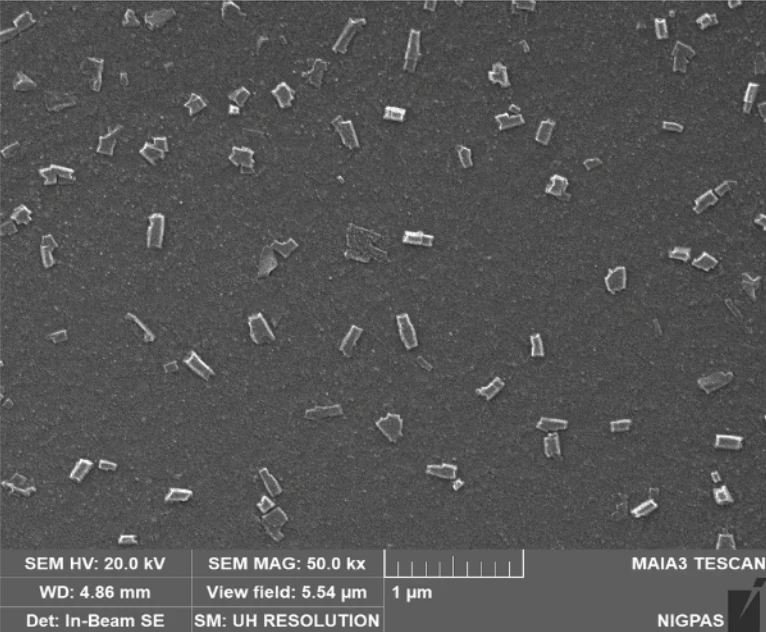
High-Purity Ellagic Acid:Formulated with ellagic acid screened via spectroscopy to ensure batch purity ≥98% and consistent antioxidant activity.
Supramolecular Nanotechnology:Overcomes the low water solubility barrier of ellagic acid, increasing solubility by 120 times and significantly enhancing transdermal absorption.
Formula based on the principles of Sovereign, Minister, Assistant, and GuideEllagic acid leads the formula, while Sanguisorba officinalis and Sophora flavescens cleanse the scalp environment. Sichuan pepper oil enhances penetration. Together, these four ingredients work in synergy to deliver comprehensive "Cleanse-Nourish-Regulate" scalp care.
Foam:One-press foam, spreads horizontally. Refreshing and rinse-free—making antioxidant care simple and easy to stick with.
Significance of Nanyan Xinsi Products:
1. Mechanism Match: Core ingredients directly target the ROS-TGF-β1 pathway to reduce follicle damage at the source.
2. Multi-Action Synergy: Ellagic acid not only clears ROS but also repairs mitochondria and inhibits ferroptosis, offering more comprehensive protection than single antioxidants.
3. Safe and gentle: Formulated without hormones, potent vasodilators, 0alcohol, 0hormones, or 0colorants. Ideal for daily, long-term use.
4. Scientific Endorsement: The research team (Nanjing University of Chinese Medicine) is the inventor of ellagic acid supramolecular technology, ensuring a complete evidence chain through integrated industry-university-research collaboration.
V. Conclusion
Research from BMB Reports and subsequent extensive studies have expanded the treatment logic for androgenetic alopecia (AGA) beyond "anti-androgen" approaches to include "clearing ROS, repairing mitochondria, and breaking the oxidative stress cycle." South Research New Silk leverages ellagic acid as its core ingredient and employs modern formulation technology to translate this scientific concept into a daily-use scalp serum. This offers individuals struggling with hair loss a gentle, science-backed, and sustainable care path.
Start scalp care with antioxidant protection; science-backed hair care to recharge your follicles.
> Literature Support
> 1. BMB Reports Study: DHT Induces Follicular Miniaturization via ROS-Mediated TGF-β1
> 2. Ellagic Acid Mitochondrial Protection: Food Chemistry, 2024, 442: 138485
> 3. Ellagic acid inhibits ferroptosis and activates the Wnt pathway: Journal of Ethnopharmacology, 2024, 330: 118227